
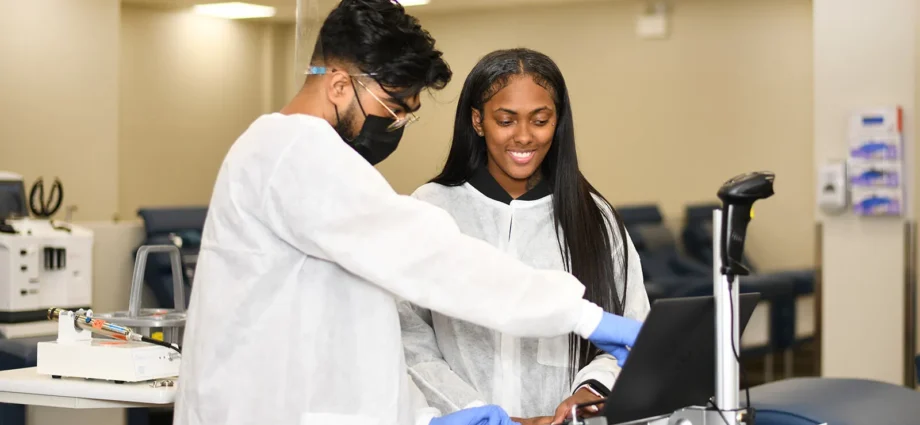
Donating plasma can be both a way to support life-saving medical treatments and, in many centers, an opportunity to earn compensation. Before you schedule your first appointment, it’s important to understand the eligibility guidelines that govern who can donate, how often you may give, and what conditions or habits might affect your qualification. In New Jersey, as in the rest of the United States, plasma donation centers follow strict standards set by federal regulators and industry best practices to protect both donors and patients. Knowing these guidelines ahead of time helps ensure a smoother process and prepares you to donate safely when you visit a center to donate plasma for money NJ.
Eligibility is not determined arbitrarily. It is based on years of research about donor safety, the needs of recipients, and the physiology of blood and its components. Plasma is the liquid portion of blood that carries cells, nutrients, and proteins throughout the body. When you donate plasma, your body must tolerate the removal of plasma without compromising your overall health. That’s why comprehensive screening and eligibility checks are required each time you arrive for donation.
Basic Physical and Health Requirements
One of the first things donation centers check is your general health status. To donate plasma for money NJ, you will need to meet basic physical requirements, which typically include age, weight, and general health criteria. Age requirements usually start at 18 years old, though some centers permit younger donors with parental consent depending on state rules. There is also an upper age limit in some facilities, though that is more a matter of individual health than a strict cutoff.
Weight is another key determinant. Most centers require donors to weigh at least 110 pounds because plasma volume correlates with body size. Donating below this threshold can pose a greater risk of adverse reactions, such as lightheadedness or fainting. Weight requirements also help ensure that the body can safely regenerate the plasma volume removed during the procedure.
General health is assessed through an initial screening, which includes taking your vital signs (blood pressure, pulse, temperature) and asking about your medical history. Certain conditions may disqualify you temporarily or permanently depending on severity. For example, individuals with uncontrolled hypertension or a history of heart issues may be deferred. Similarly, those with certain infections or blood-borne diseases are typically not eligible to protect the plasma supply and ensure patient safety.
Centers also require that you be free from acute illness at the time of donation. This means no fever, respiratory symptoms, nausea, or contagious conditions. Even minor illnesses can temporarily defer you from donating, since your body needs full strength to handle plasma removal and regeneration safely.
Lifestyle, Medication, and Travel Considerations
Eligibility goes beyond basic health and dives into lifestyle habits, medication use, and recent travel history. Donating plasma for money NJ involves answering questions about behaviors that might impact the quality of your plasma or pose a risk to recipients. For example, smoking, recreational drug use, and alcohol abuse may affect your eligibility either temporarily or permanently.
Prescription medication also matters. Some medications are safe and approved for plasma donors, while others may temporarily defer donation until the medication is out of your system. This is especially common with medications that suppress the immune system or affect blood properties. Always bring a list of current medications to your screening appointment so the donation center can assess eligibility accurately.
Travel history is another piece of the eligibility puzzle. Certain regions carry a higher risk for diseases like malaria or variant Creutzfeldt-Jakob disease, and recent stays in those regions may temporarily disqualify you. These travel deferrals are precautionary and follow guidelines designed to protect the broader blood and plasma supply.
Centers also screen for high-risk behaviors that might increase the risk of transmitting infectious diseases. Questions about recent tattoos or piercings, participation in certain activities, and exposure to environments where blood-borne pathogens are more common help ensure that plasma recipients receive a safe product. While these questions may feel personal, they are part of a standardized process required by regulatory agencies to maintain safety and trust.
Frequency, Recovery, and Repeat Eligibility
If you meet all initial criteria and successfully donate plasma, you might wonder how often you can return. Frequency guidelines are carefully designed to protect donor health. Plasma regenerates more quickly than whole blood, and most centers allow donation every two to three days, with limits such as twice per week depending on local policies. These intervals allow your body time to restore plasma proteins and fluid balance before the next donation.
Rapid turnover of plasma is possible because the body continuously produces plasma proteins and fluid. However, frequent donations without adequate recovery can lead to fatigue, dehydration, or low protein levels, which is why centers monitor your donation history and counsel you on healthy spacing. Staying hydrated and eating a balanced meal before arrival supports a quicker recovery and reduces the likelihood of adverse reactions.
Each time you donate, your eligibility is reassessed. Weight, vital signs, and general health are checked fresh because conditions can change between visits. Even if you qualified last week, a fever or new medication could temporarily defer you. This ongoing evaluation protects both you and future plasma recipients.
Nutrition plays a subtle but significant role in eligibility and recovery. Centers often advise donors to maintain a diet rich in protein and iron nutrients that support the body’s ability to regenerate plasma and maintain blood cell counts. While diet alone isn’t a disqualifying factor, consistently poor nutrition can contribute to deferrals if it leads to anemia or weakened health.
Why Eligibility Matters for Donors and Recipients
Understanding eligibility guidelines for donate plasma for money NJ is not just about meeting requirements; it’s also about protecting your health and contributing to a reliable plasma supply. Plasma collected from donors is used in a variety of medical treatments, including for immune disorders, trauma recovery, and chronic conditions. Ensuring donors are healthy reduces risks for recipients and enhances the therapeutic value of donated plasma.
Donation centers also protect donors by preventing adverse events. Rigorous screening minimizes the likelihood of fainting, dehydration, or other reactions that can occur if your body isn’t ready for donation. By following eligibility guidelines, you help create a safe environment for yourself and others — an approach that supports long-term donor participation and strengthens community health.
Eligibility is periodically updated as medical knowledge and regulatory standards evolve. What may have been an acceptable practice years ago might now be adjusted to reflect new research or emerging health concerns. That’s why donation centers always begin each visit with screening questions and vital checks, rather than relying on past approvals alone. Donating plasma for money NJ can be a rewarding way to support medical care while receiving compensation, but it begins with knowing the eligibility guidelines. From basic health requirements to lifestyle and frequency considerations, each factor shapes whether you can donate safely. Preparing for your appointment with accurate documentation, an honest health history, and awareness of guidelines increases your chances of a successful donation and a positive experience overall. If you’re unsure about any criteria, staff at licensed donation centers can help clarify eligibility, answer questions, and guide you toward meeting requirements in a way that honors both your health and the needs of patients who rely on plasma therapies.